How to Sell Your Home When One Party Doesn't Want To
September 12, 2026
September 12, 2026
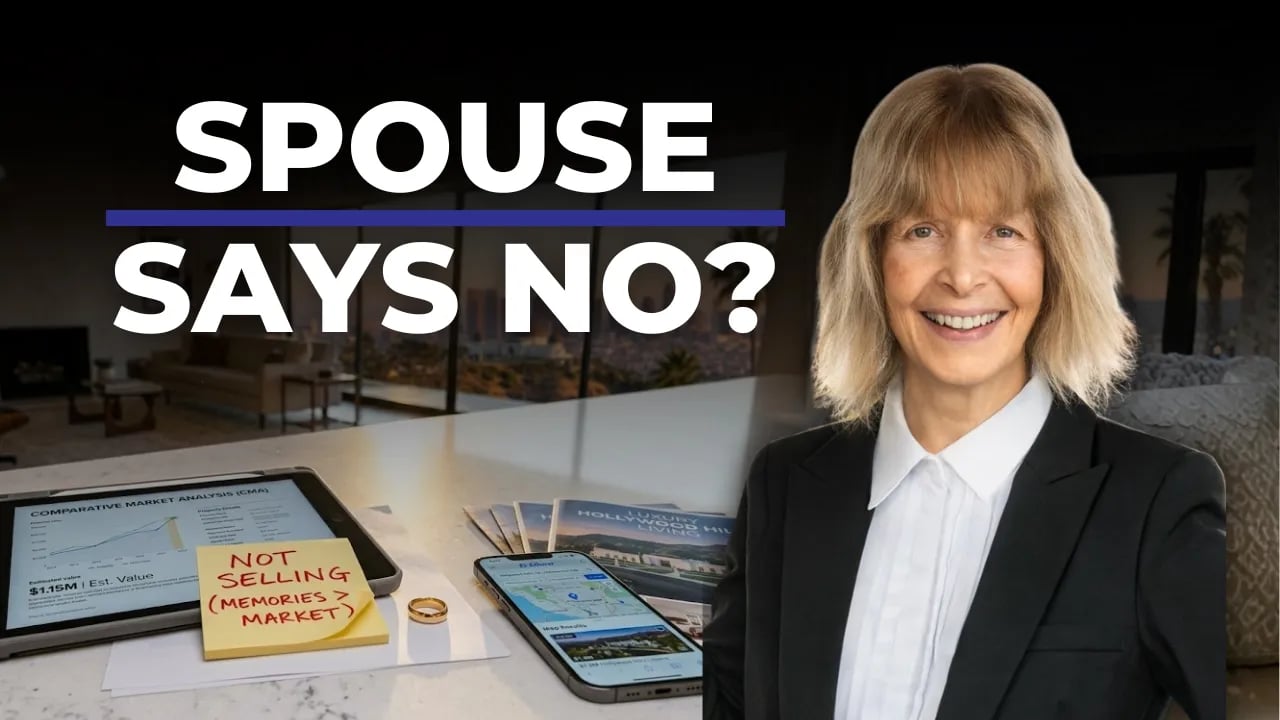
Let’s talk about one of the most delicate and surprisingly common real estate situations. You’re ready to sell your home, but your spouse, or your sibling, is absolutely not.
If this were a movie, and remember, we are here in Hollywood, this would be the part where one person clutches the kitchen island and says “I’m not leaving this house” while the other is quietly Googling how to list a home solo without starting World War III.
Take a breath. This is more common than you think, and more importantly, it can be resolved. As someone who has been in the trenches, I can tell you that selling a home when one party is hesitant isn’t just about real estate. It’s about communication, timing, and a little strategy with a side of patience.
Start by understanding the “why” behind the “no.” A refusal to sell usually isn’t about the house itself. It’s about what the house represents. For one person, it might be emotional attachment, the memories, the milestones, the nostalgia that lives in those walls. For another, it might be fear of change or the unknown. Or maybe it’s financial concerns like interest rates, affordability, or the worry that they won’t find something better. And sometimes it’s simply about timing, whether that’s a career transition or a child’s school year.
Think of it like this. You’re ready to upgrade your car, but you’re still emotionally attached to the old one because it carries a bundle of memories. It’s not logical. It’s personal. So ask questions rather than make arguments. “Help me understand what worries you most about selling” goes a lot further than “we need to sell right now.”
Let the data gently enter the conversation. In Los Angeles, home values, equity positions, and market timing can have a real impact on your financial picture. A clear, fact-based breakdown often helps take the emotion down a notch. Look at things like your current home value versus what you paid, your estimated equity gain, the cost of staying versus selling when you factor in maintenance, taxes, and opportunity cost, and what your next move could realistically look like. Sometimes one spouse imagines selling as downgrading, when in reality it could mean upgrading their lifestyle, their location, and their financial situation. This is where a real estate agent doesn’t just sell homes. They translate market data into real-life decisions that make sense for both parties.
“A refusal to sell usually isn't about the house. It's about what the house represents.”
Sometimes your spouse or sibling doesn’t need you to explain it. They need an outsider. A neutral party. In my case, think of me as the Switzerland of your situation: neutral, calm, and focused on facts. As a professional, I can provide an objective analysis, outline realistic timelines and outcomes, answer tough questions without the emotional baggage, and validate concerns without escalating conflict. And here’s the thing: hearing the same information from a third party often lands completely differently than hearing it from the person you share a mortgage with.
If your spouse isn’t ready to fully commit, don’t force a cannonball. Start by dipping a toe in the pool. There are ways to move forward without the pressure of a full commitment. Getting a home valuation with no obligation to sell. Doing some light pre-listing prep like decluttering or minor updates. Tracking the market together for 30 to 60 days so you’re both looking at real numbers. Or agreeing on a trigger point, whether that’s a price, a timeline, or a life event that would make the decision feel right. This approach lowers the pressure and builds confidence over time, because sometimes the resistance isn’t “no forever.” It’s “not yet.”
Here’s the legal reality. In most cases, if both names are on the title, both parties must agree to sell. One person typically cannot sell the property without the other’s consent. Exceptions do exist depending on the ownership structure, but those situations require professional legal guidance. And if you’re in a more complex situation like a divorce, it’s essential to consult a real estate attorney alongside your agent.
Sometimes the disagreement isn’t about if. It’s about when. And when that’s the case, timing becomes the real conversation. Market cycles, interest rate shifts that affect buying power, and inventory levels that impact your next move all play a role. Finding a compromise timeline, something like “let’s revisit this in a couple of months,” can turn a hard “no” into a collaboration plan. It takes the pressure off the immediate decision and gives both parties time to get comfortable with the idea.
Selling a home isn’t just a financial decision. In many ways, it’s a life decision. And when one spouse or sibling isn’t on board, the goal is to align, not just to win. The best real estate decisions happen when both people feel heard and informed.
If you’re working through this situation and need a calm, experienced perspective without pressure, I’m always here to help you talk it through. Reach out anytime at (818) 903-5854 or email me at [email protected]. You can also visit my blog at blog.tammyjerome.com for more insights on buying and selling in Los Angeles.

October 22, 2026

Home Selling
October 15, 2026
From clearing gutters to testing detectors and packing an emergency kit, these simple fall tasks help your home weather a stormy winter.

October 15, 2026

October 13, 2026
Hoping the market sorts itself out usually means fewer showings and lower offers. Here's what a real listing plan does instead.

October 8, 2026

October 1, 2026

September 24, 2026

September 17, 2026

September 12, 2026
It's not just about sitting on the market longer. Overpricing can quietly cost you money, negotiating power, and the one window you can't get back.
Get assistance in determining current property value, crafting a competitive offer, writing and negotiating a contract, and much more. Contact me today.