
Should You Sell Your House Empty or Staged?
Home Selling November 21, 2026
Home Selling November 21, 2026
Before you move out and list, learn how an empty house affects showings, buyer emotions, and your homeowners insurance coverage.
When it comes to selling a home vacant or occupied, there are two schools of thought. One says an empty house is easier to sell. The other argues that a lived-in home offers a warmth an empty house simply can’t match. Both arguments have merit, and the right choice comes down to a few details worth weighing before you pack the boxes.
Empty rooms show every flaw. They can be tough on buyers, because every little ding becomes noticeable and flaws have nowhere to hide. Frankly, an empty home can also feel a little soulless. The warm, fuzzy feeling that makes somebody fall in love with a house has nowhere to land when the rooms are bare.
Furniture gives buyers a reference point. A clean, thoughtfully decorated living room tells buyers this is a loved home. It shows them where their sofa can go and where they might enjoy a morning coffee. In an empty room, buyers often squint at the corners, wondering whether the sectional will even fit.
Vacant homes are easier to show. There’s no arranging for the dogs or the baby to take a little field trip and no tidying before every single showing. Nobody has to hide food in the refrigerator at the last minute, either. Your agent can also accommodate buyer schedules much more easily.
Check your insurance before you pack. Standard homeowners insurance policies may restrict or even exclude coverage after 30 or 60 consecutive days of vacancy. A burst pipe, a break-in, or any other mishap could leave you with an unpleasant surprise when you file a claim. Vacant home insurance exists for this reason, though it can cost more than a standard policy. Talk with your insurance agent before you start packing those boxes.
"Buyers aren’t purchasing four walls, a floor, and a ceiling."
Staging is strategic emotional marketing. If you’re moving out before closing, staging becomes your best friend because it helps buyers envision the property as their future home. It isn’t simply about arranging furniture, either. I’ve found that professionally staged homes create an emotional connection that can translate into stronger offers. In the Los Angeles market, where buyers scroll a dozen times before breakfast, the first photograph has a lot of heavy lifting to do.
Virtual staging stops at the door. I’m frequently asked whether virtual staging is a good idea, and my answer is that it’s better than an empty house. Attractive, professionally staged photographs can make a listing stand out online. Virtual furniture disappears the moment buyers walk through the door, though. I’ve watched buyers look at me puzzled and disappointed, saying the place doesn’t look anything like the pictures. Physical staging still does the best job of creating that emotional connection during an actual showing. It can be pricey, but it’s often worth the investment.
Partial staging works on a budget. You don’t necessarily have to stage the entire home. It can deliver plenty of impact without the full price tag. I almost always recommend focusing on the living room, dining room, kitchen, primary bedroom, and bathroom, plus perhaps the guest bathroom. These are the spaces where buyers imagine themselves entertaining or spending the most time.
At the end of the day, buyers aren’t purchasing four walls, a floor, and a ceiling. They’re buying the possibility of a home, a lifestyle, and a place to make memories. Even the prettiest empty room may struggle to communicate that.
If you’re moving out before you sell, I’d love to help you get the most value out of your vacant home and decide which rooms to stage. Call me at (818) 903-5854, email [email protected], or visit blog.tammyjerome.com. I look forward to hearing from you.
Home Selling
November 21, 2026
Before you move out and list, learn how an empty house affects showings, buyer emotions, and your homeowners insurance coverage.

November 19, 2026
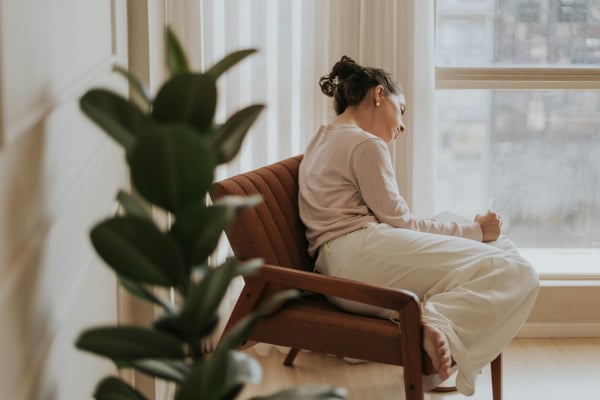
Home Buying
November 17, 2026
From pre-approval and down payment options to inspections and offer terms, these practical steps help you buy your first home with your eyes open.

November 12, 2026
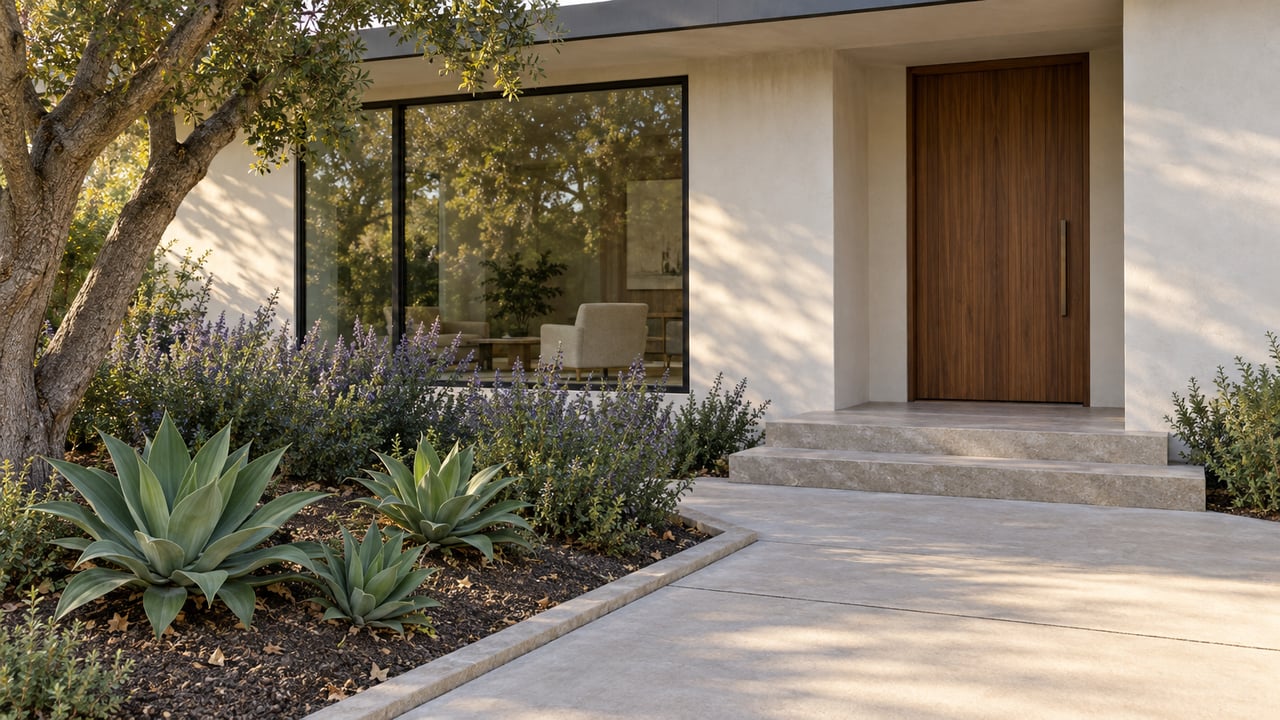
November 5, 2026
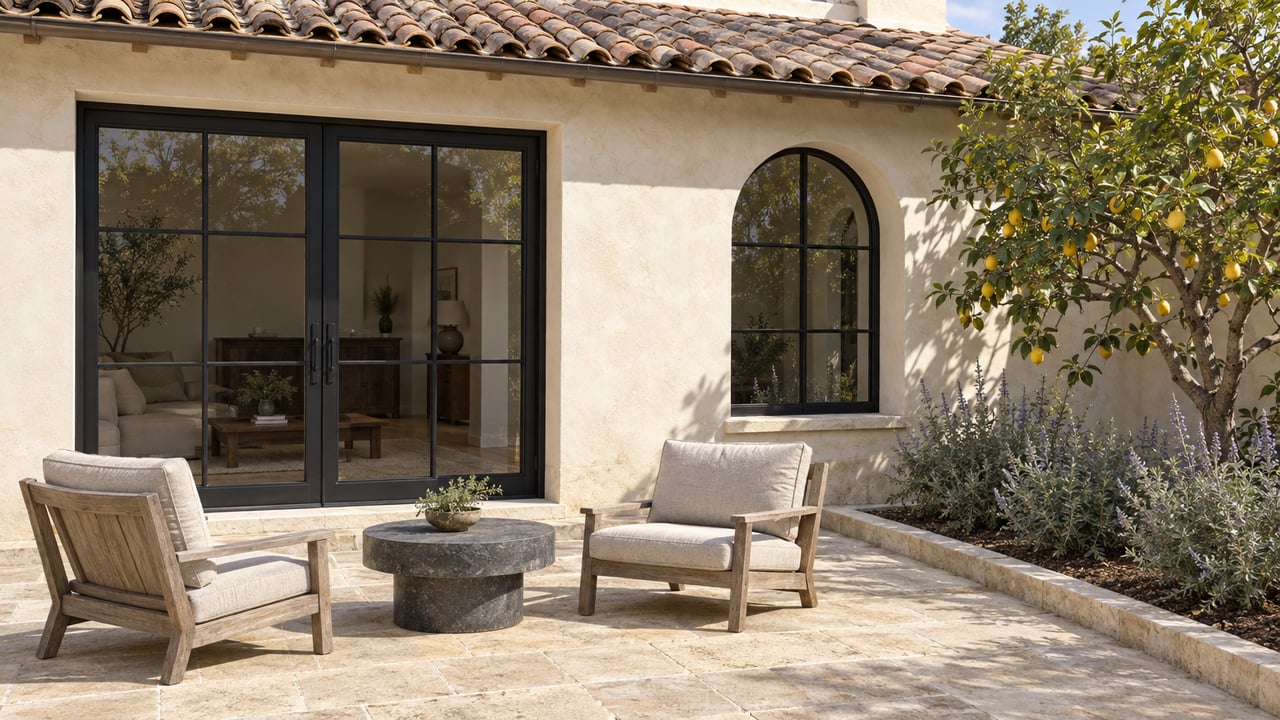
October 29, 2026

Home Selling
October 27, 2026
The FOMO buyer is gone. Today's California buyer brings a spreadsheet, a checklist, and time, and that changes everything for sellers.
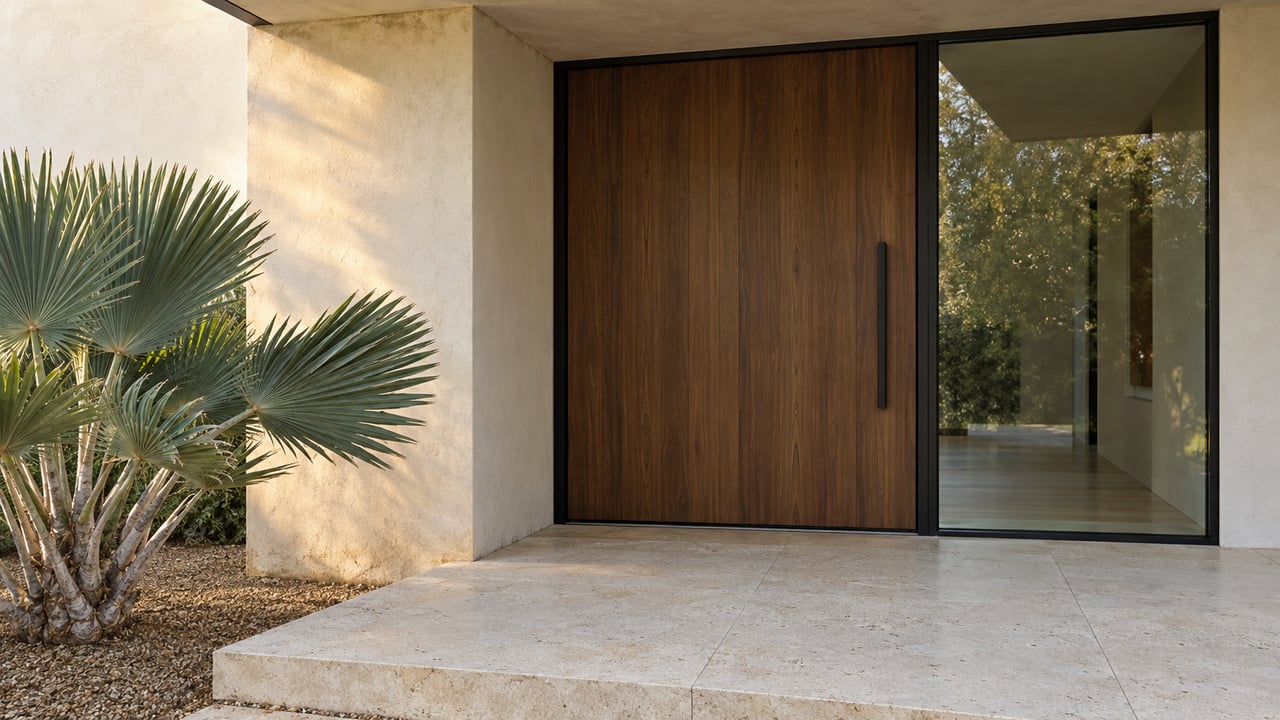
October 22, 2026

Home Selling
October 15, 2026
From clearing gutters to testing detectors and packing an emergency kit, these simple fall tasks help your home weather a stormy winter.
Get assistance in determining current property value, crafting a competitive offer, writing and negotiating a contract, and much more. Contact me today.