Understanding and Calculating Your Debt-to-Income (DTI) Ratio
August 22, 2024
August 22, 2024
When it comes to managing your finances and making informed decisions, understanding your Debt-to-Income (DTI) Ratio is crucial. This simple yet powerful metric can significantly impact your ability to secure loans, manage credit, and achieve financial stability. Here’s a quick guide to help you calculate and understand your DTI Ratio.
What is the Debt-to-Income (DTI) Ratio?
The DTI Ratio is a percentage that compares your total monthly debt payments to your gross monthly income. Lenders use this ratio to assess your ability to manage monthly payments and repay debts. A lower DTI Ratio indicates a healthier balance between debt and income, making you a more attractive candidate for loans.
How to Calculate Your DTI Ratio
Follow these steps to calculate your DTI Ratio:
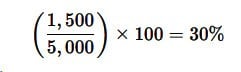
4. Example Calculation:
Why Your DTI Ratio Matters
Lenders use your DTI Ratio to evaluate your risk as a borrower. A lower ratio (typically under 36%) is preferred by most lenders, as it suggests that you have a manageable level of debt compared to your income. A high DTI Ratio can lead to higher interest rates, or even loan rejections. Additionally, your DTI Ratio can influence your credit score, which is another critical factor in your financial health.
Understanding and managing your DTI Ratio is essential for making smart financial decisions. By keeping it low, you’ll not only improve your chances of securing loans at favorable rates but also enhance your overall financial well-being.

September 17, 2026

September 12, 2026
It's not just about sitting on the market longer. Overpricing can quietly cost you money, negotiating power, and the one window you can't get back.

September 12, 2026
Selling a condo isn't just selling a smaller house. You're selling a unit, a building, a community, and a financial ecosystem all at once. Here's how to get it right.

September 12, 2026
When one spouse or sibling isn't on board, selling becomes less about real estate and more about communication, timing, and strategy.

September 12, 2026
Hoping the market sorts itself out usually means fewer showings and lower offers. Here's what a real listing plan does instead.

September 12, 2026
It sounds precise, and it's the number everyone reaches for. But lean on it too hard when buying or selling in LA, and it can quietly steer you off course.

September 12, 2026
Some neighborhoods attract buyers no matter what the market is doing. Here's what sets them apart and what it means for your home.

September 10, 2026

September 3, 2026
Most sellers wait for spring, which is exactly why fall can work in your favor. Here's what a fall listing gets you in Southern California.
Get assistance in determining current property value, crafting a competitive offer, writing and negotiating a contract, and much more. Contact me today.